
I'm ready to give back to the same community that gave me back my autonomy.
I started Connecting With Hypermobility because finding healthcare that works for hypermobile humans is hard.
You don't have to do it alone.
My Story
I spent 13 years undiagnosed. I completed an entire Ph.D. in genetics before anyone told me I had a genetic connective tissue disorder. If that sounds absurd — it is. And if it sounds familiar, you're probably in the right place.
It started with unexplained allergies and sensitivities as a kid, then a lodged SI joint and sciatica from marching band that no one connected to anything bigger. In grad school, my shoulder subluxed. After I graduated, I finally went to physical therapy — and my physical therapist noticed my hypermobility almost immediately. They were the first person, at age 30, to introduce me to the word “hypermobility”.
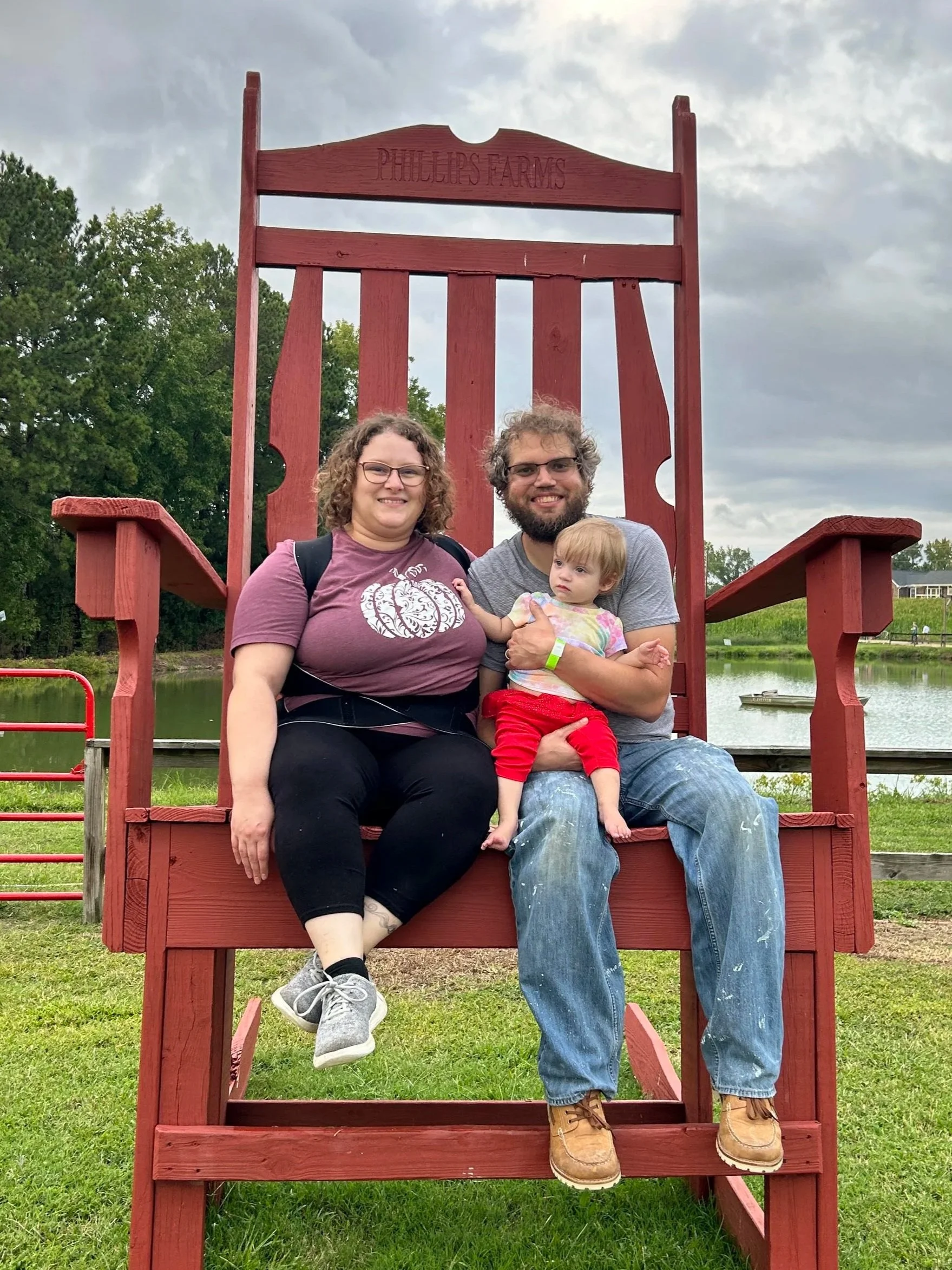
That PT became the most important person in my healthcare journey. Over seven years, he helped me build a customized program that pulled from multiple sub-disciplines to begin resolving chronic pain that nothing else had touched. When my shoulder re-subluxed during COVID and triggered central nervous system sensitization — pain that stopped responding to anything — he repeatedly asked me to see a pain specialist. I refused. I'd been too burned by the system. I'd had a dermatologist mansplain to me how to wear a bra properly instead of treating my chronic skin conditions — conditions that are more common in people with hEDS. That kind of experience makes you stop trusting.
Then he offered to physically walk into the appointment with me. A stressed, overworked medical professional, offering to show up like that. I was so stunned that I finally made the call.
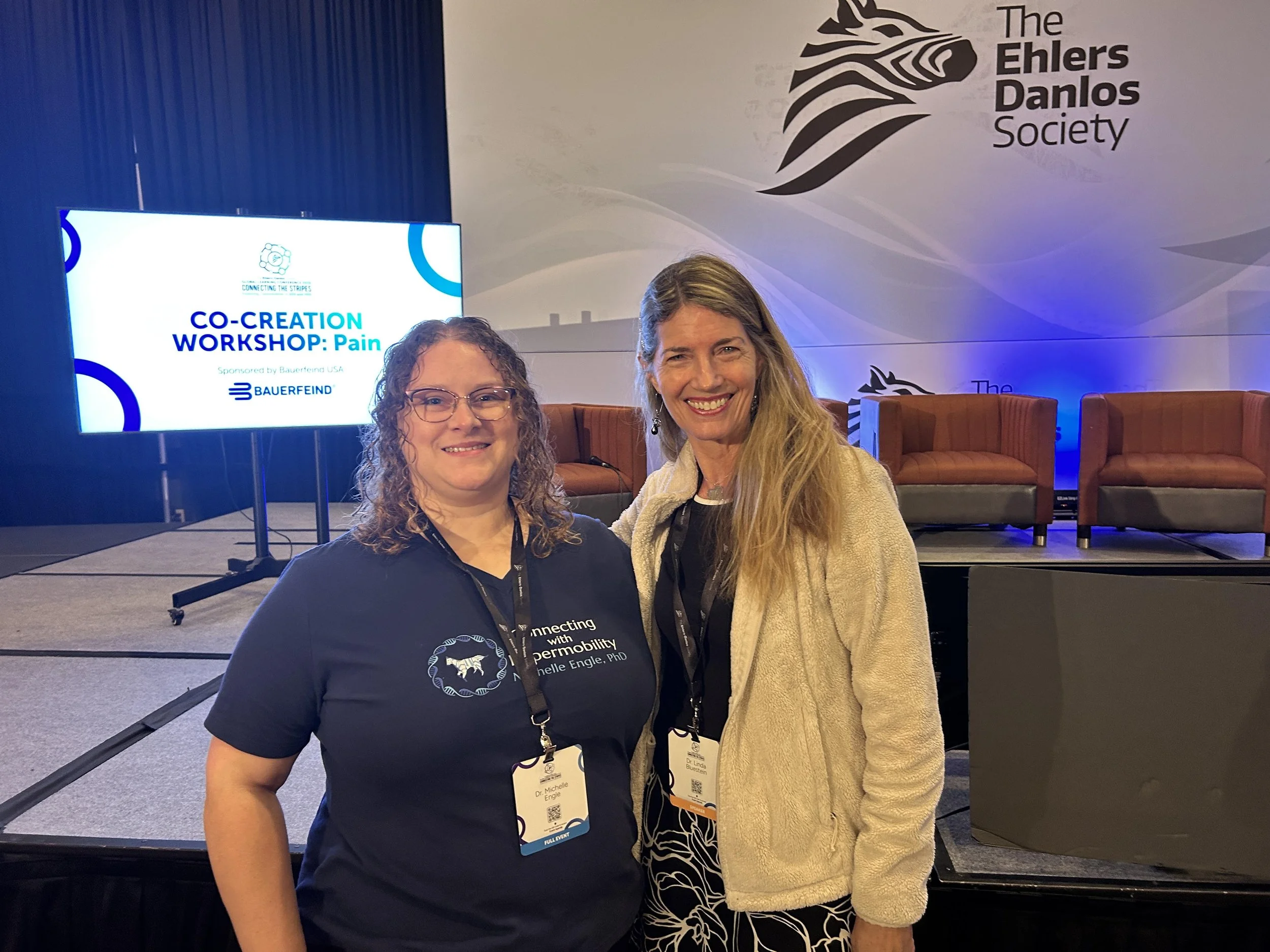
Around the same time, I started putting my research skills to use on my own body. I found the patient-doctors and patient-researchers doing extraordinary science communication work on Instagram and in podcasts — and as someone who specializes in science communication professionally, I was genuinely impressed. Their insights changed my understanding of my own condition. When my GI issues escalated and my specialist didn't know how to treat me, I turned to the scientific literature and diagnosed and successfully treated my own methanogen overgrowth SIBO — because no one else was going to do it for me.
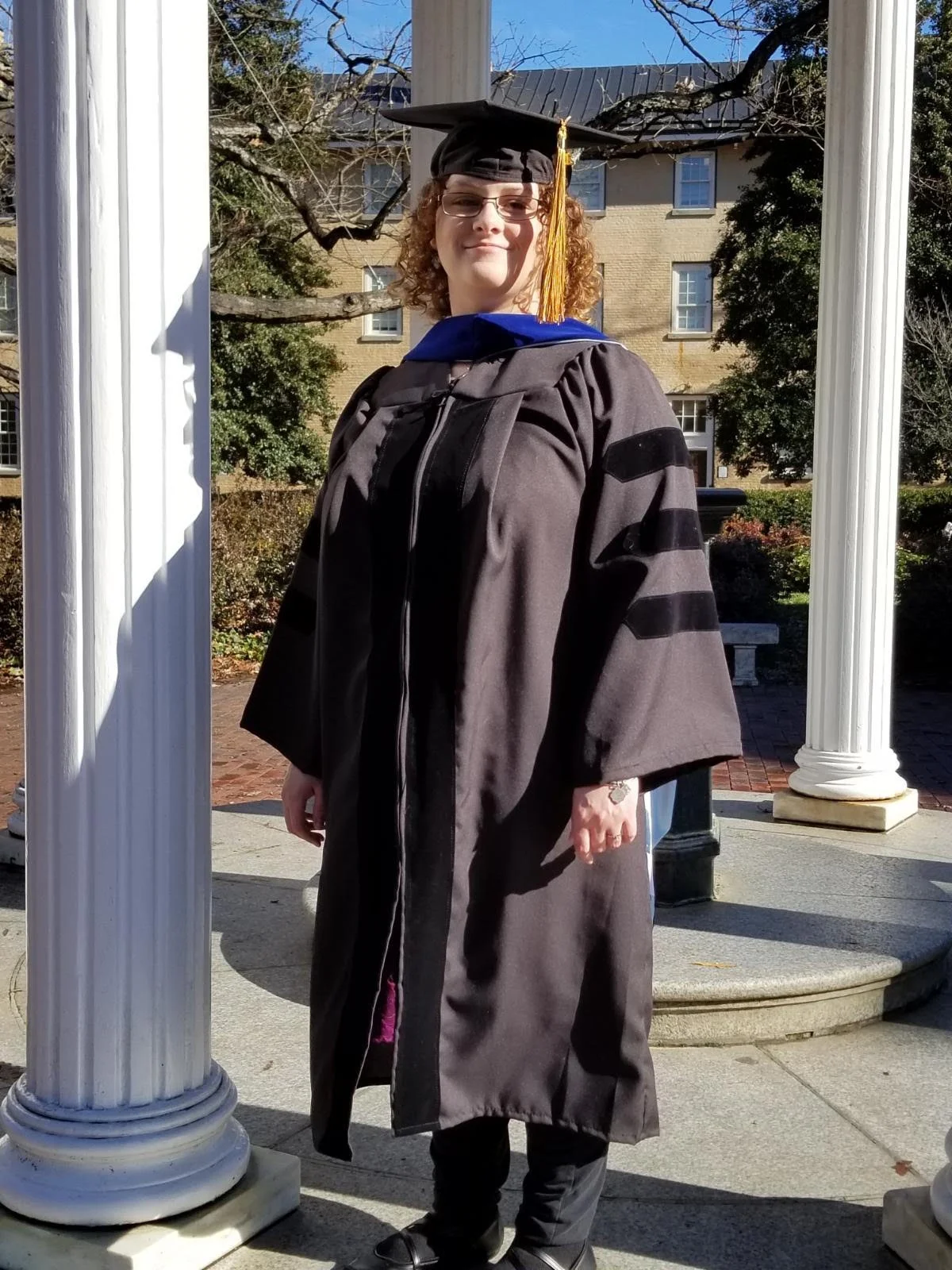
When I told that same PT I was too scared to consider pregnancy because I didn't want to regress, he offered to lead my care team and connected me with a pelvic floor specialist he trusted. I found an OB-GYN who had experience with hypermobile patients and understood how to weigh contradictory medical needs in a field without enough research to guide him. During a severe case of pre-eclampsia, I pulled my copy of Disjointed out of my hospital bag and handed it to him to read about suturing techniques — right before my emergency C-section.
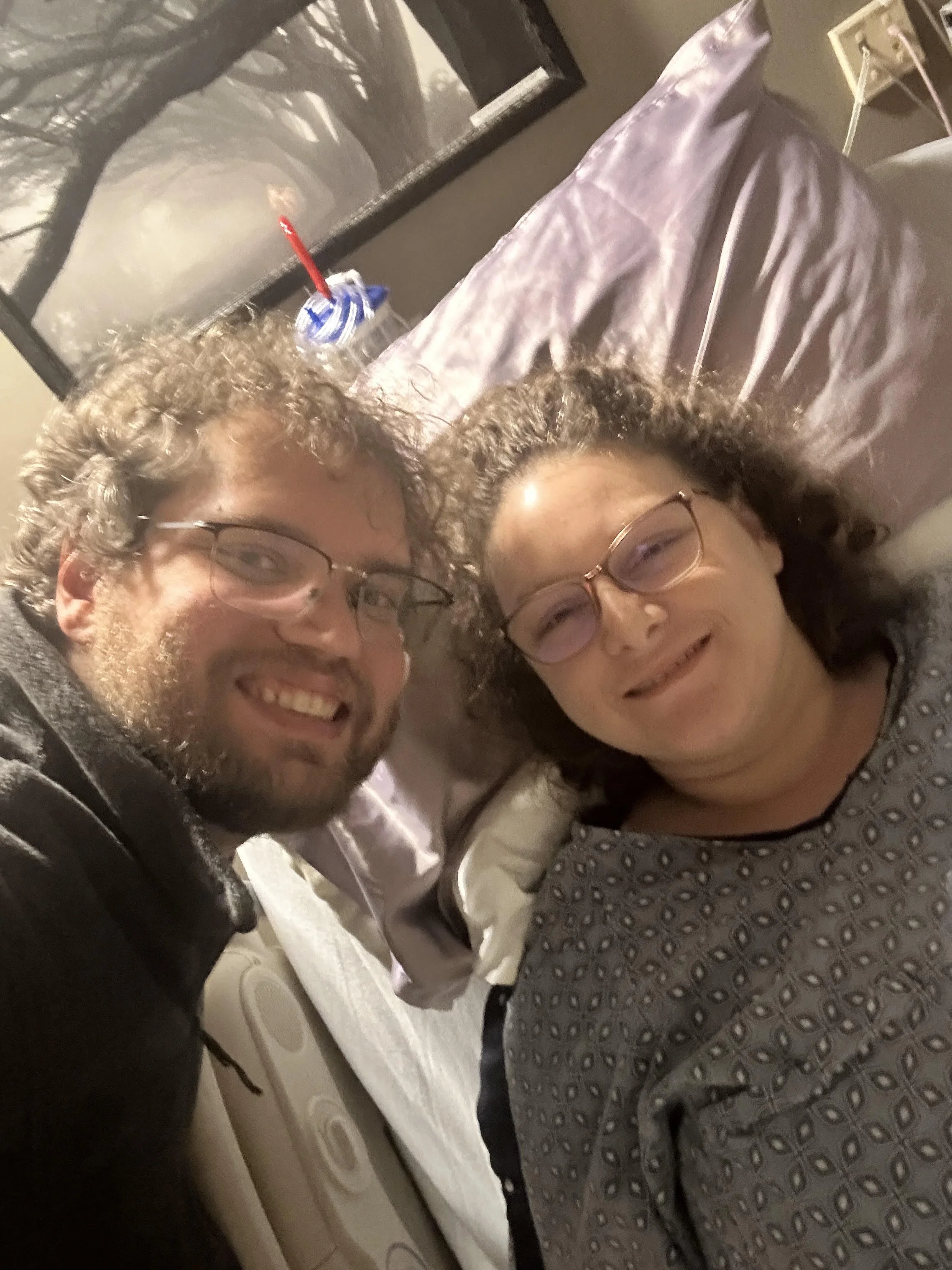
What came after the emergency delivery was unexpected. My body started an upward trajectory. Magnesium improved my symptoms. My autonomic nervous system reset itself. And my tiny premature daughter turned out to be exactly the weight my weak shoulders could handle — the perfect progressive overload, and the most motivating reason I'd ever had to push past the fear of movement I'd developed. A postpartum doula and a baby-wearing specialist learned alongside me about EDS and shoulders with limited range of motion, adapting the newborn phase to match my physical needs.
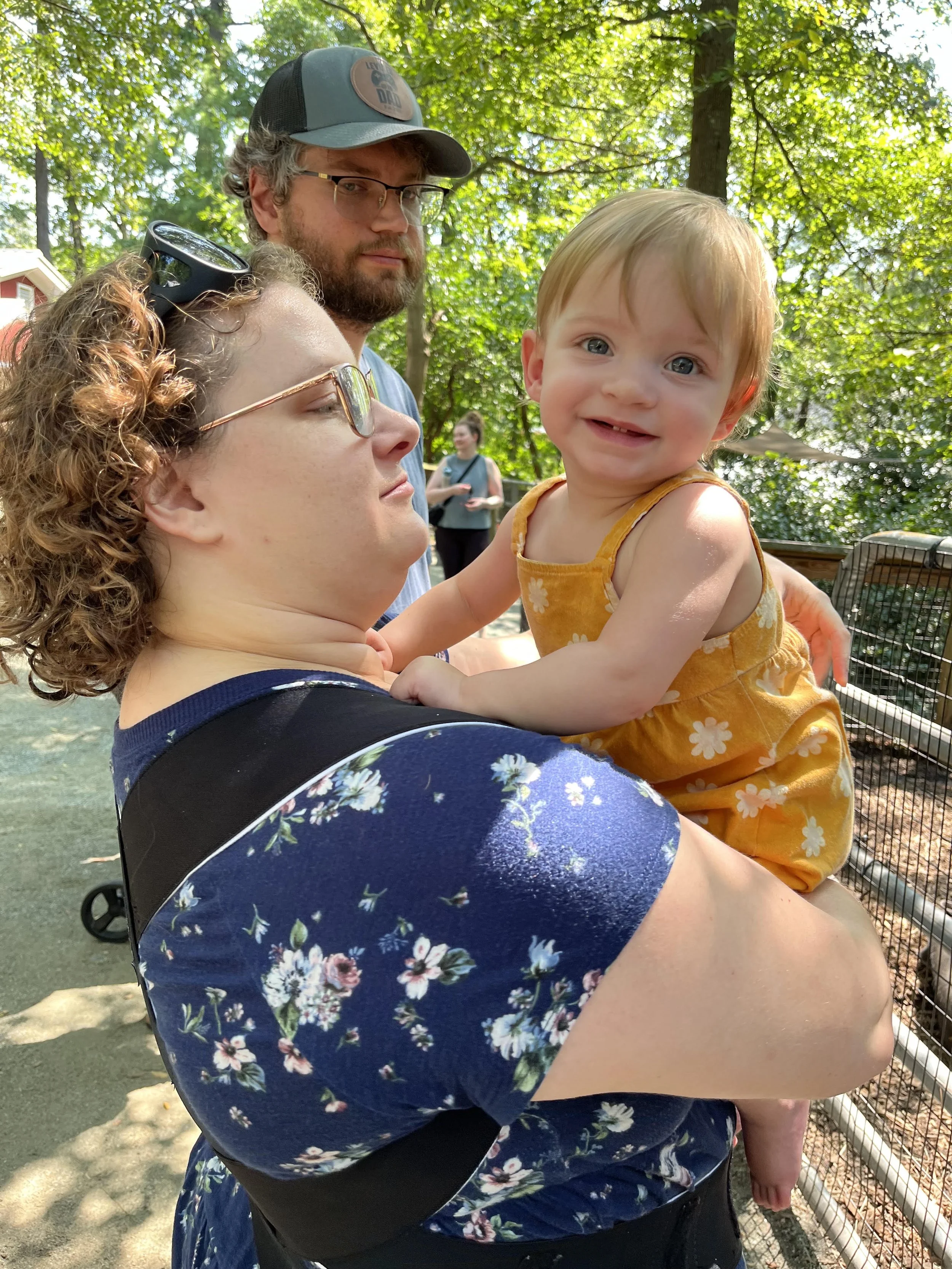
All of these people — my PT, my OB-GYN, my doulas, the researchers and science communicators — were vital to my journey. Now I'm ready to give back to the same community that gave me my autonomy back.
That's why I started Connecting With Hypermobility — and why I participate in research initiatives like the EDS Society's focus groups. Because finding healthcare that works for hypermobile humans is hard. You don't have to do it alone.
Want to have a conversation with someone who gets it?
I work with people with hypermobility in all its forms - hypermobile Ehlers-Danlos Syndrome (hEDS), hypermobility spectrum disorder (HSD), and the conditions that can come along with them, like POTS, dysautonomia, and MCAS. I coach clients on how to adapt daily living to unpredictable symptoms, make the most of medical appointments, and understand the research.